

Wire Rope Climbing Robot
Automatic wire rope lubrication systems do boost lubrication efficiency significantly and delay wear and corrosion. However, critical pain points remain unresolved in real-world applications.
First Major Challenge: "Locally Stationary Segments" of Wire Ropes:These sections cannot pass through lubricators in full length due to equipment structural constraints, and thus remain in a state of "dry friction without lubrication" for extended periods. Bearing the maximum tension and undergoing the most frequent bending, these areas are precisely the blind spots in lubrication coverage and flaw detection;
Second Major Challenge: Static Wire Ropes:Examples include fixed guy ropes of tower cranes, balance cables of port gantry cranes, standby ropes of marine cargo hoists, and suspension wire ropes of sluice gates. Since they do not move, conventional lubrication systems and flaw detectors are ineffective on them. These "silent load-bearers" are highly prone to sudden failure caused by environmental corrosion and accumulated internal wire breaks.
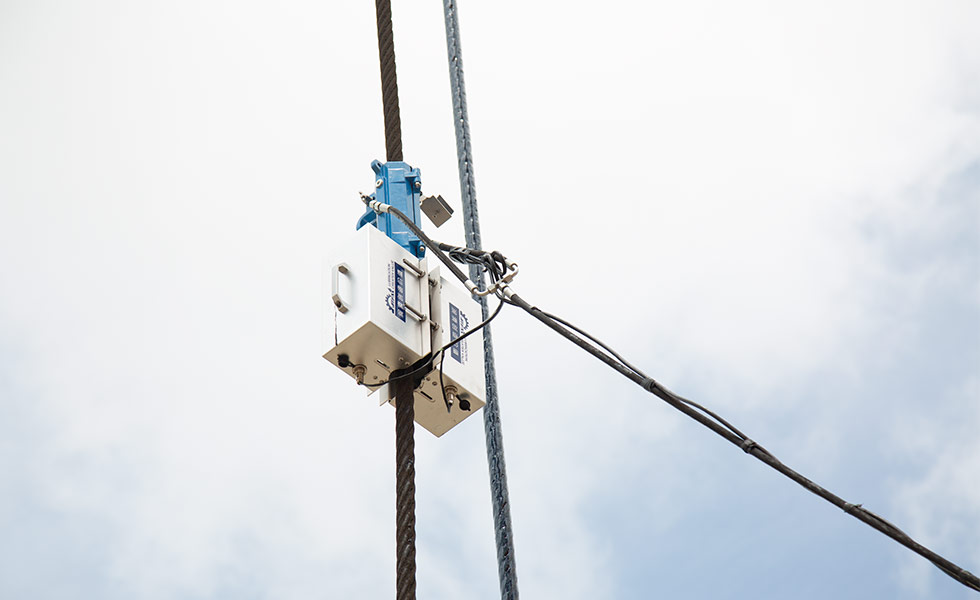
Precision Lubrication for the Entire Rope Length:
Whether the wire rope is moving or stationary, the robot can travel along the rope, delivering fixed-point, quantitative, and uniform lubrication to the blind spots inaccessible to conventional lubrication systems. It provides customized lubrication paths especially for high-stress zones, pulley engagement areas, drum winding segments and other key positions, ensuring every inch of the wire rope is fully protected.
Synchronized Non-Destructive Inspection:
While performing lubrication tasks, the robot is equipped with a high-precision inspection module (optional electromagnetic, ultrasonic or visual detection unit) that conducts real-time scanning of the wire rope surface and subsurface layers. It automatically identifies defects such as wire breaks, wear, corrosion and deformation, and generates inspection reports. This achieves simultaneous "lubrication + inspection", doubling efficiency and mitigating risks proactively.
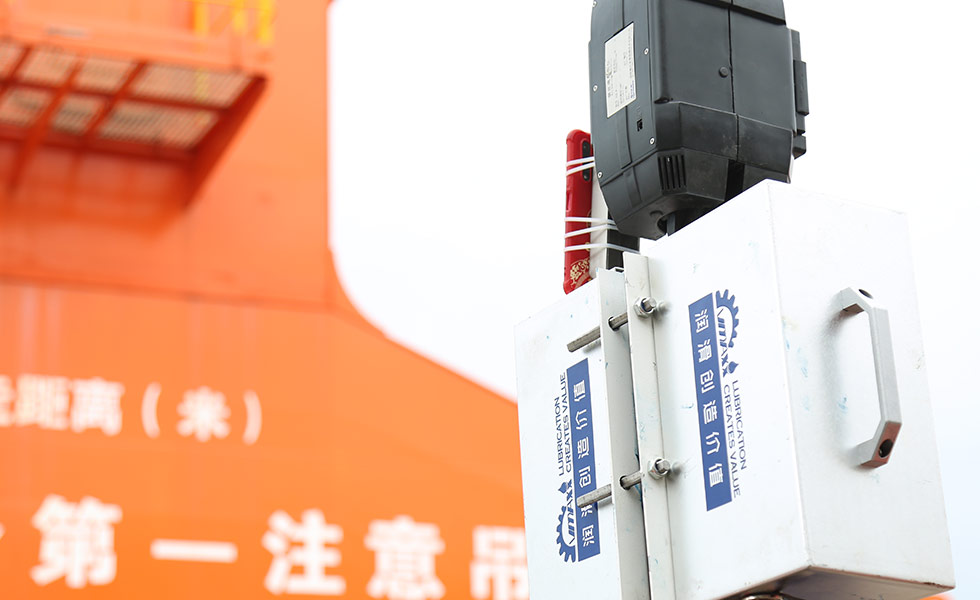
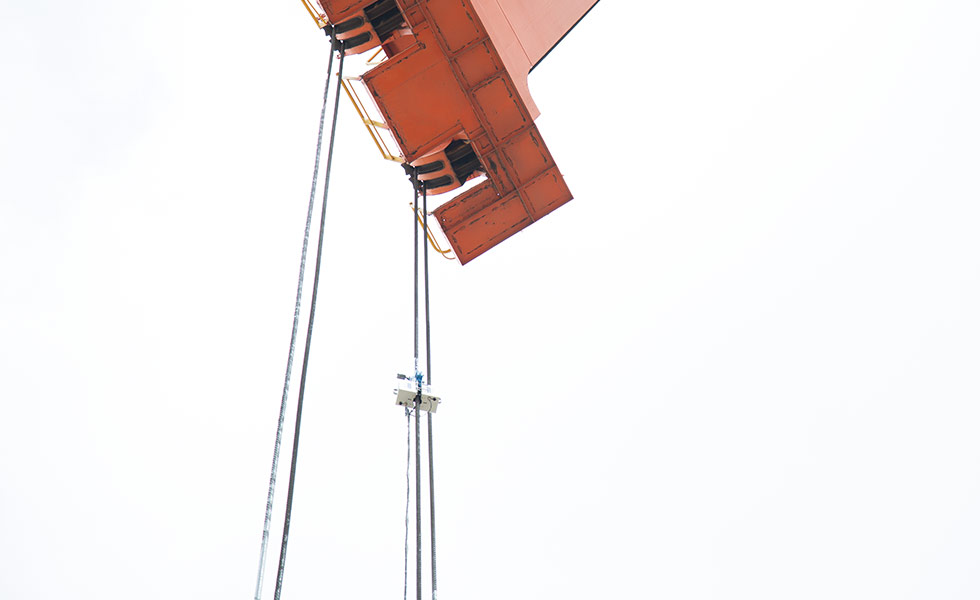
Simultaneous Operation with 360° HD Panoramic Camera:
The robot integrates an industrial-grade 360° HD camera system, enabling all-around, unobstructed visual recording of the wire rope surface condition. Through real-time footage or video playback, operators can directly observe visible abnormalities including surface oil distribution, coating peeling, local deformation and external damage. This assists in evaluating lubrication effectiveness and damage trends, providing first-hand visual evidence for manual re-inspection and decision-making.
Application:
- Port Terminals: Fixed balance ropes and windproof guy ropes of gantry cranes and quay cranes;
- Marine Engineering: Standby ropes of cargo hold cranes and cables of lifting platforms;
- Construction Hoisting: Attached guy ropes of tower cranes and non-moving segments of luffing wire ropes;
- Mining Hoisting: Middle fixed segments and tensioned segments of headframe wire ropes;
- Wind Power O&M: Auxiliary rigging of wind turbine hoisting systems;
- Water Conservancy: Wire ropes of reservoir sluice gates.


